
Issue
If you see a stretch of road that has potholes with water ponding in them on fine days, you can be pretty sure that someone is taking a hit on their water rates.
This inner-city business relies on fresh water supplies to function, and it certainly did not go unnoticed by the owners who retained Drainage Control to affect a repair. The business was metered on Ghuznee street, and then the pressure pipe ran under a private road access shared by 3 or 4 businesses.
Our customer was the only water supply in the road, so it was not a case of a search for the guilty. What made this a lot worse for our customer was the ‘private road’ aspect, which meant that the cost of the repair to the road was their problem.
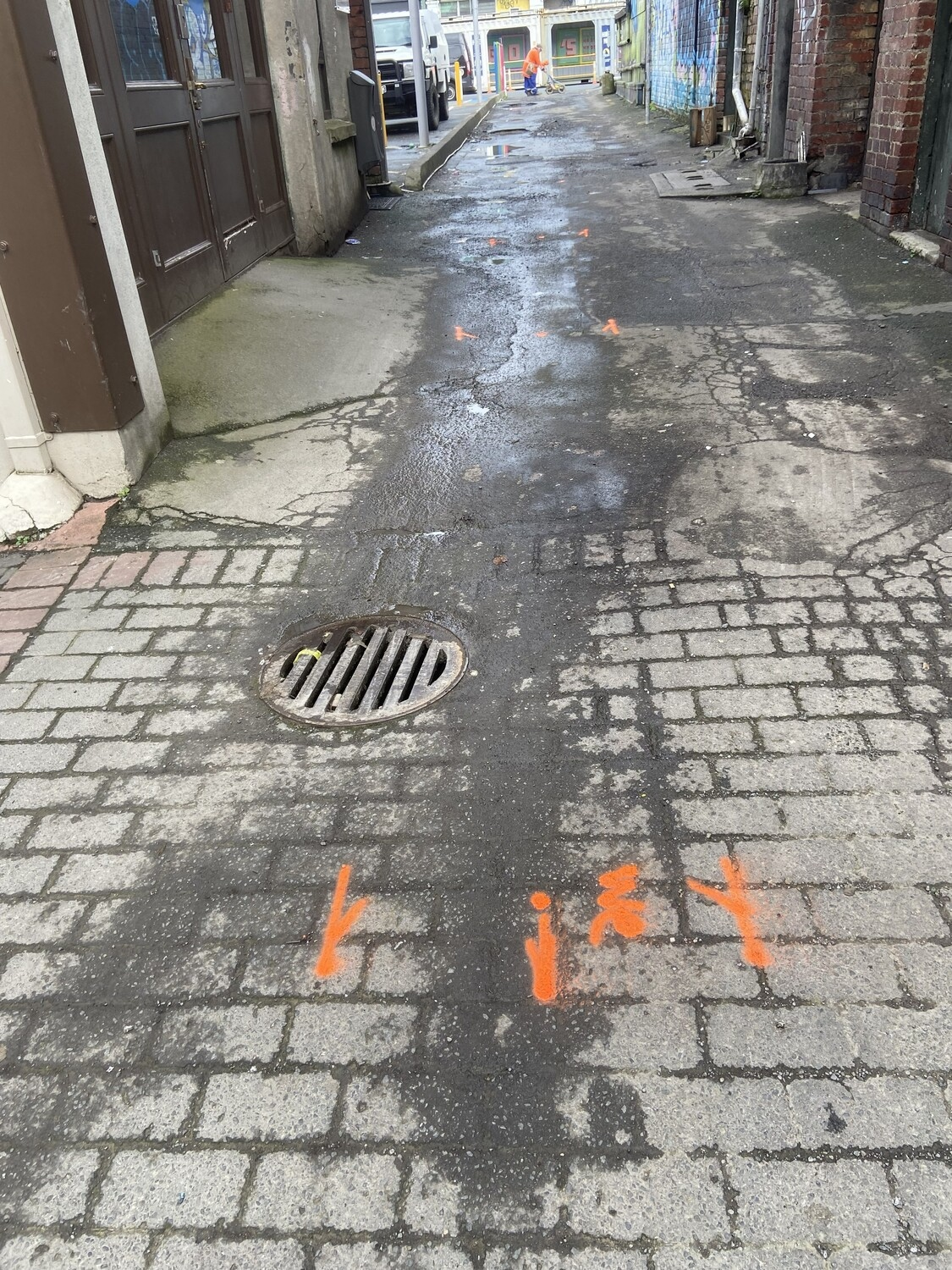
The poor state of the road was not entirely due to the water supply problem, as there was uncontrolled stormwater in the picture too, but after the leak formed, the road was pretty much totaled, as water under pressure cracks and undermines inexorably.
You want to get on it as quickly as you can!
Solution
Only one thing to be done here – dig up the water pipe from the council toby and replace it. One bit of good fortune was that we did not have to go beyond the boundaries of the private road and only needed the businesses on the road not to use their car parks for the duration of the work.
Our maim customer had an alternative path to the business, so we could cone off the site and not have to worry about pedestrian safety or cars. This also avoided needing traffic management, which saved a good deal of money. Even a minimum traffic management requirement will add over $1,000/day, and upwards from there!
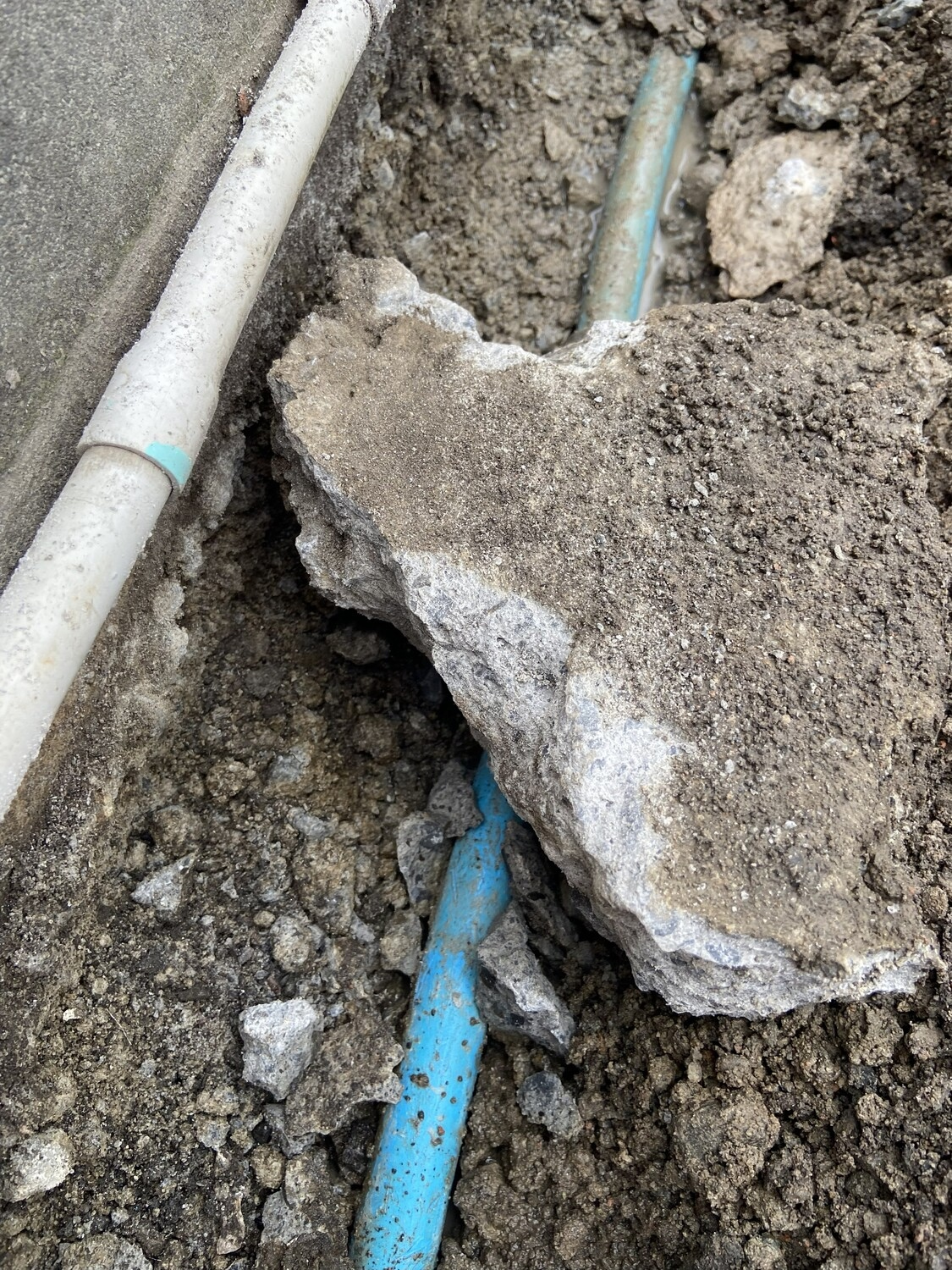
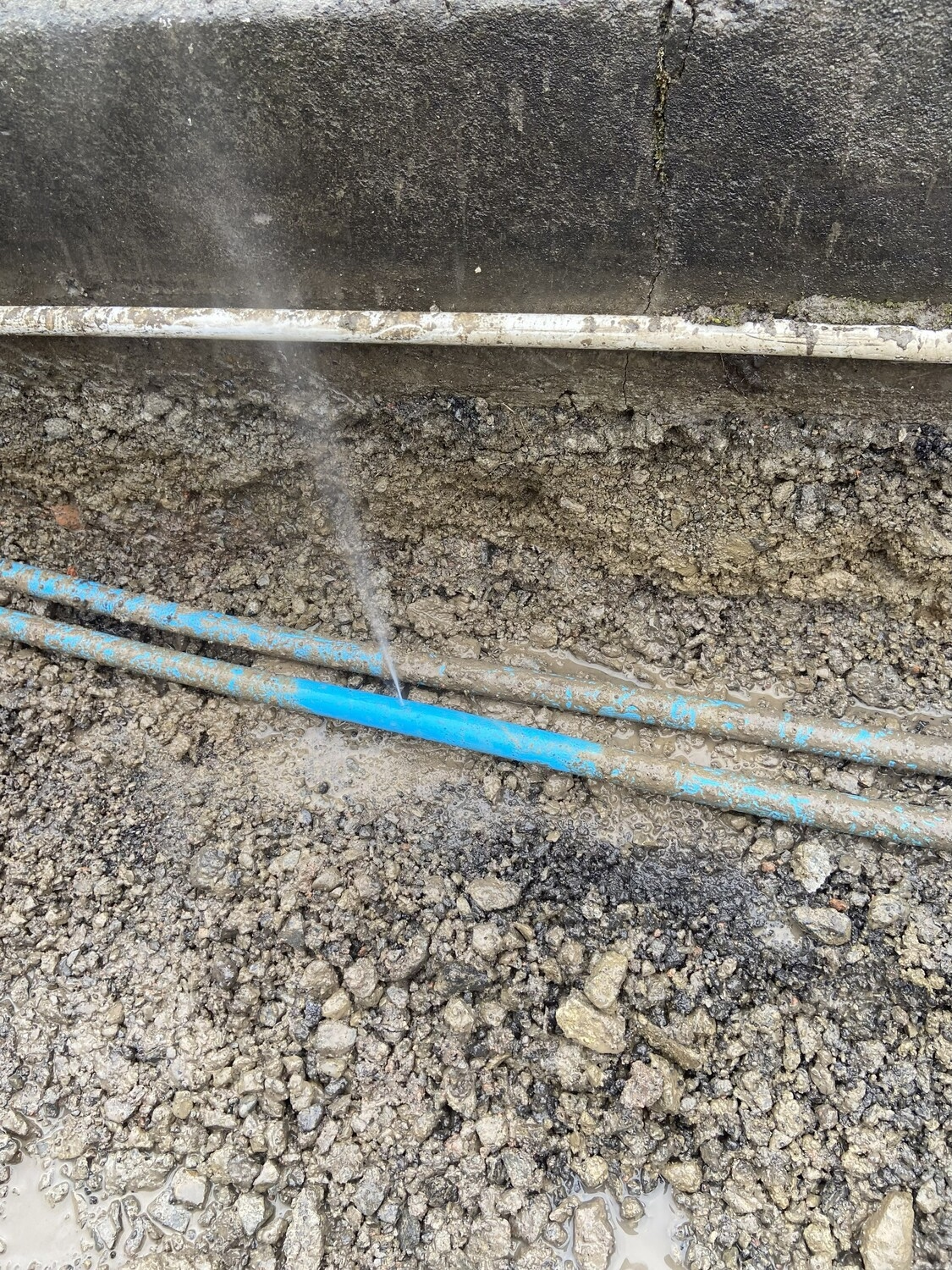
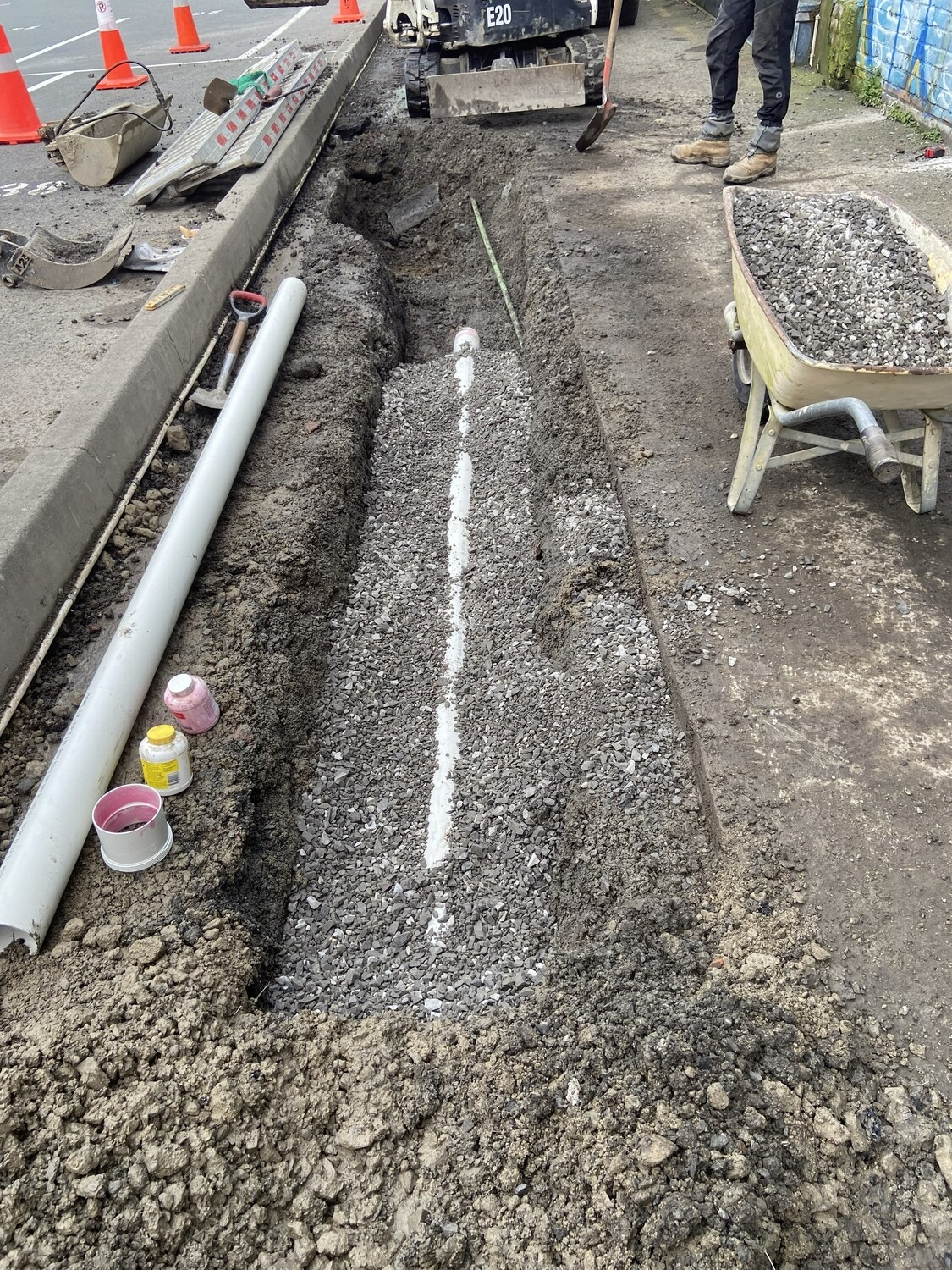
We knew where the pipe was, so we exposed it using a digger. It was damaged in 2 places and not fit for service. We re-laid the pipe and formed connections at both ends to the business and the roadside toby. The code calls for the pipe to be embedded in
sand and a minimum of 600mm deep which we did.
The next issue was the uncontrolled ponding of stormwater. The plan is to install a sump about halfway down the road, which would then be formed around it, to lead stormwater to it. This was then led to an existing sump near the end of the road and into the city stormwater system. We had to be careful with our levels here to ensure the asphalt crew had the tolerances to create the required slopes to the new sump, but all went smoothly.
There was also a survey mark next to the business which we were careful not to disturb. If we had, you must get surveyors in to replace it precisely, which would have added to costs.
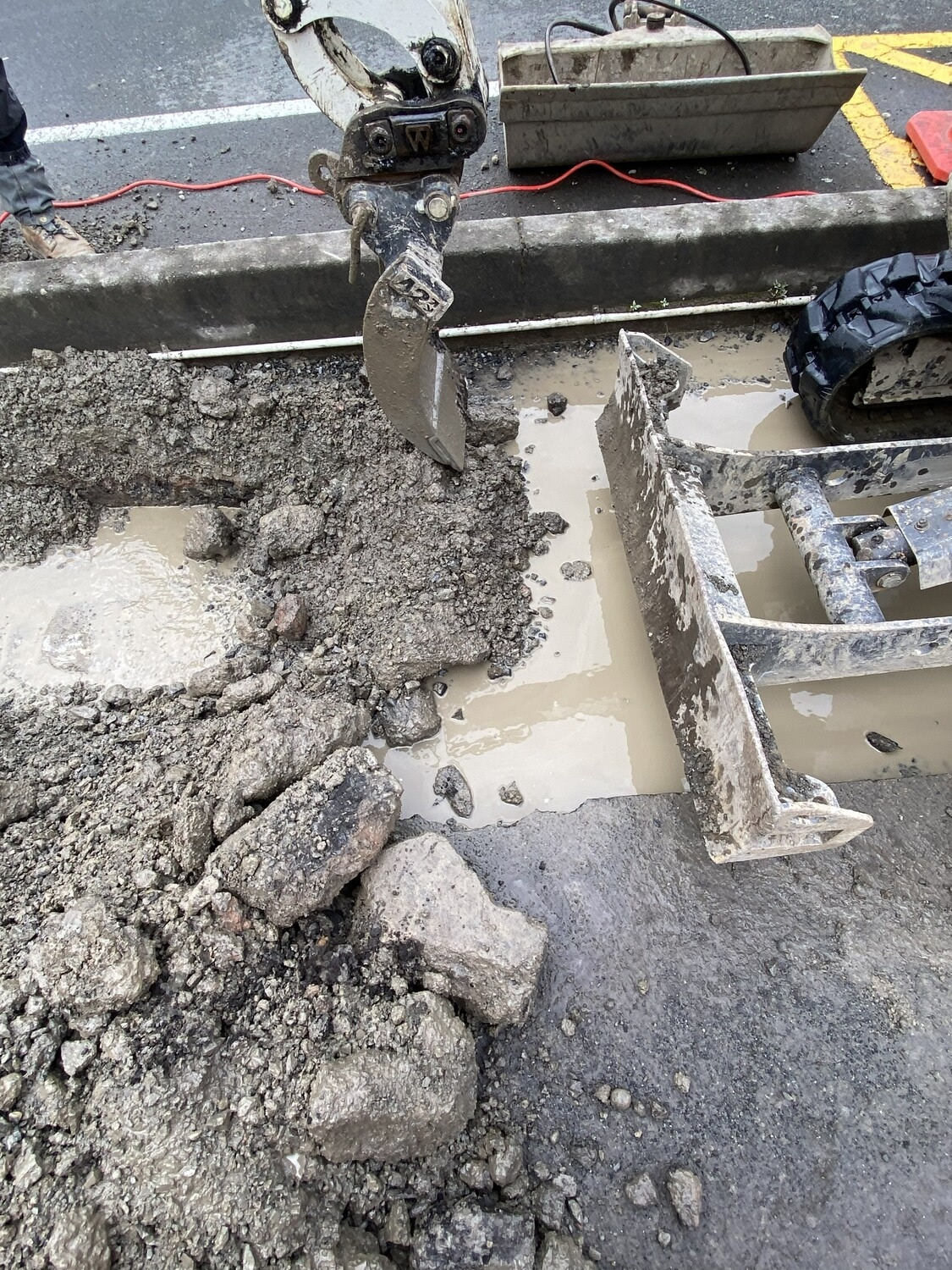
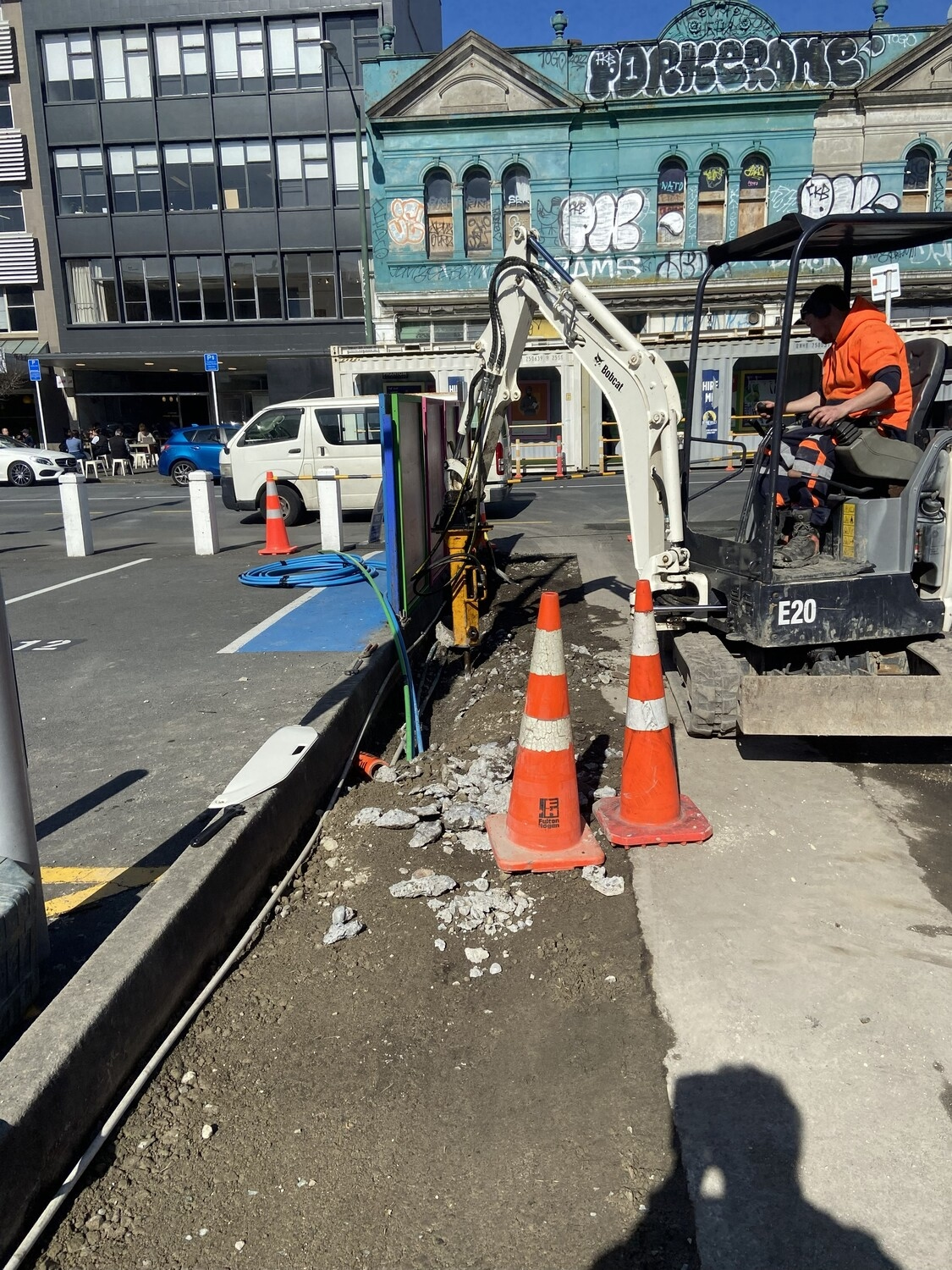
This concluded the actual drainage side of the job. The final step was to prepare the road for Asphalting. This involved scraping up the old road surface and disposing of it at an approved facility. We did encounter a big raft of concrete under the old surface which could have thrown timing out as the asphalt crew had been booked. Luckily, we had access to a hydraulic digger mounted heavy breaker so whilst it caused a delay while we got it organized, we could keep to the schedule.
We then backfilled our excavations and other parts of the road as necessary with base-course and compacted it with a road ‘whacker’ and groomed the surface with a plate compactor. We were tidying our equipment away when the asphalt crew arrived
Timing!
Observations
The damage from the leaks was substantial, but they were not large – just tiny holes that once exposed, came out as a fine pressure spray. This was enough to wreck the road.
Pressure under the surface will erode the road base. Once this is compromised there is only one direction it goes – break-up.
Outcome
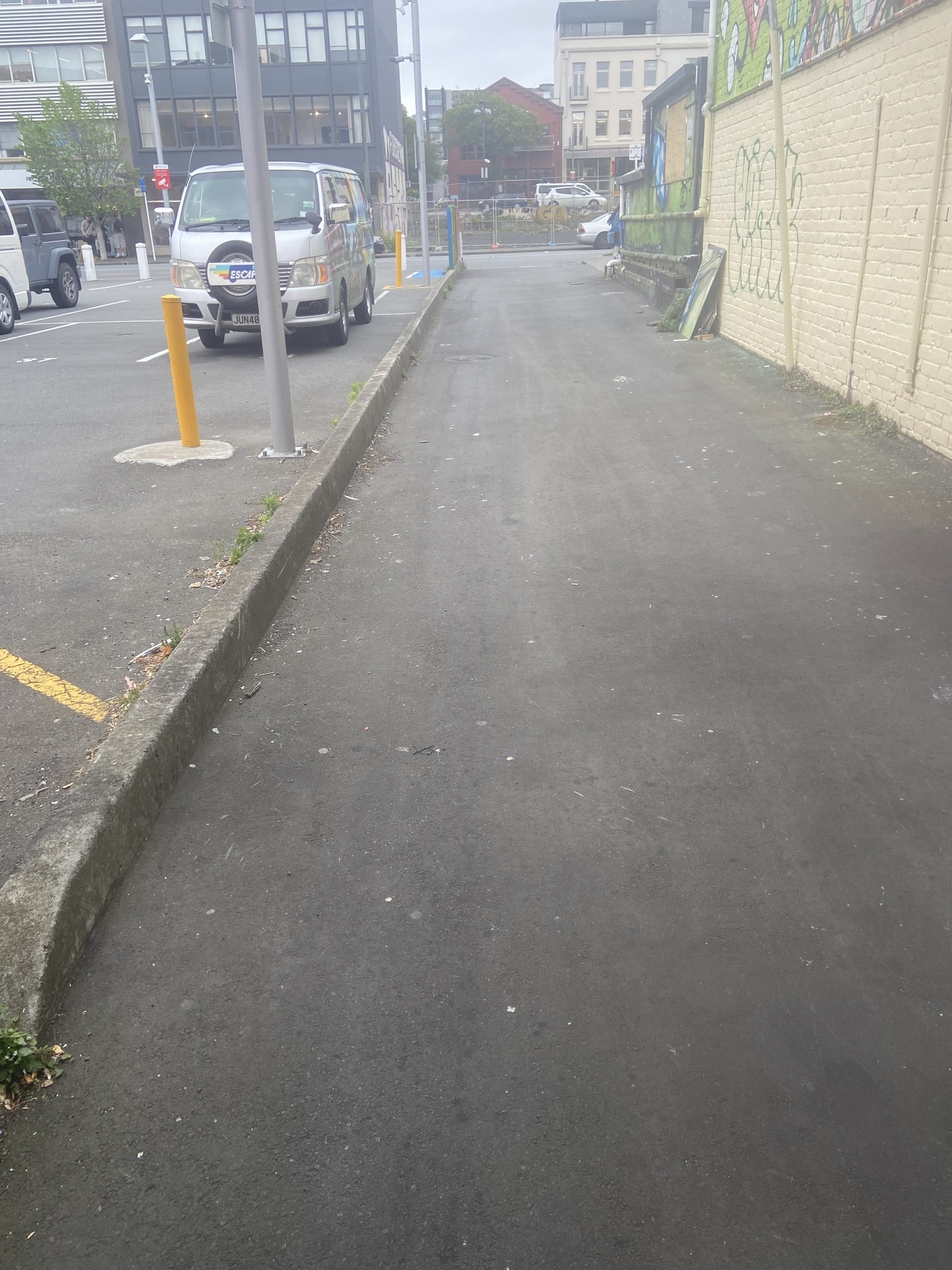
Once the asphalt crew had done their work, there was now a tidy well laid road free from potholes and stormwater ponding. The only real change was that there was a new sump halfway down. The asphalt crew did a great job with the contouring and stormwater was being led to the new and existing sumps.
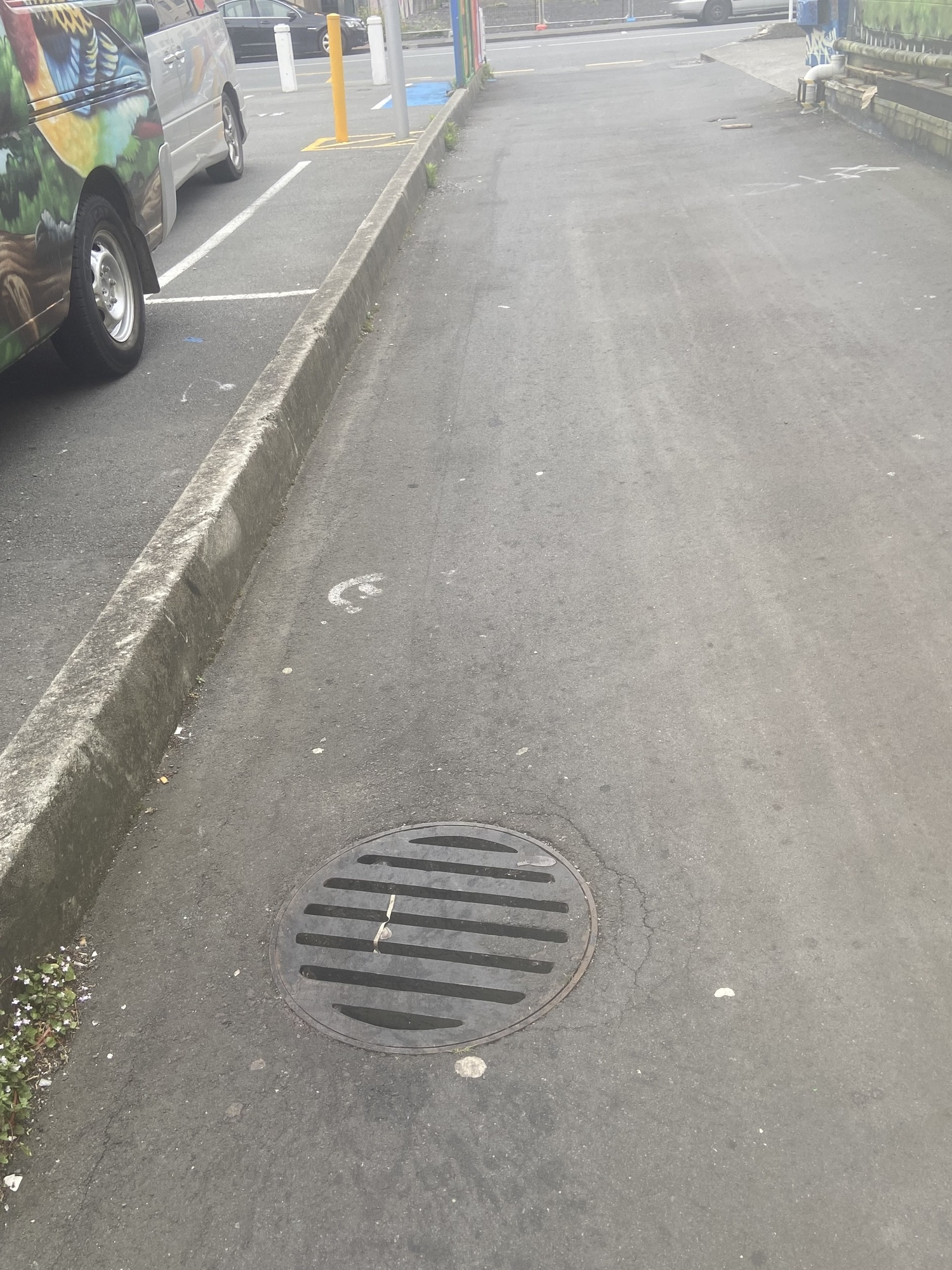
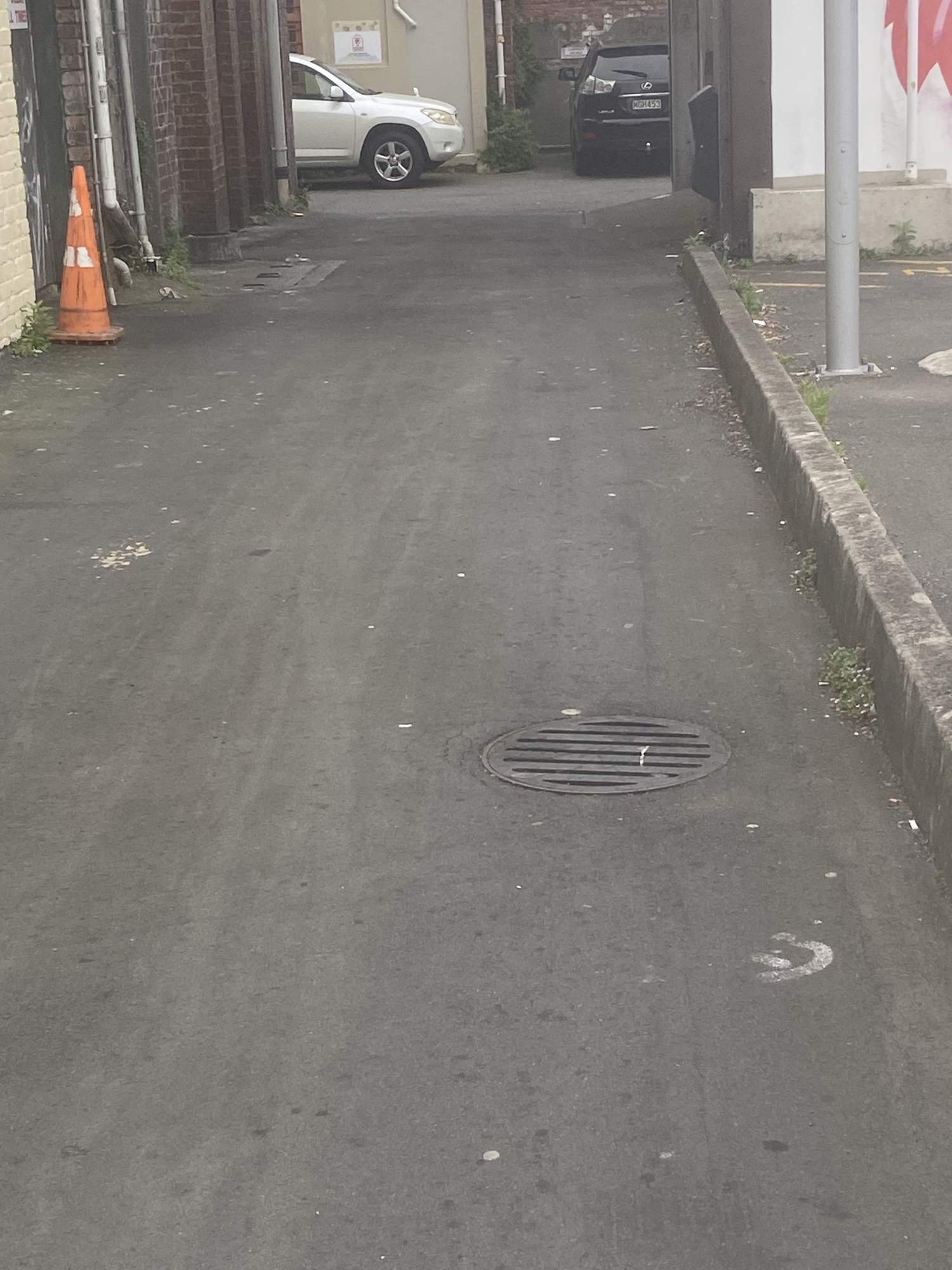
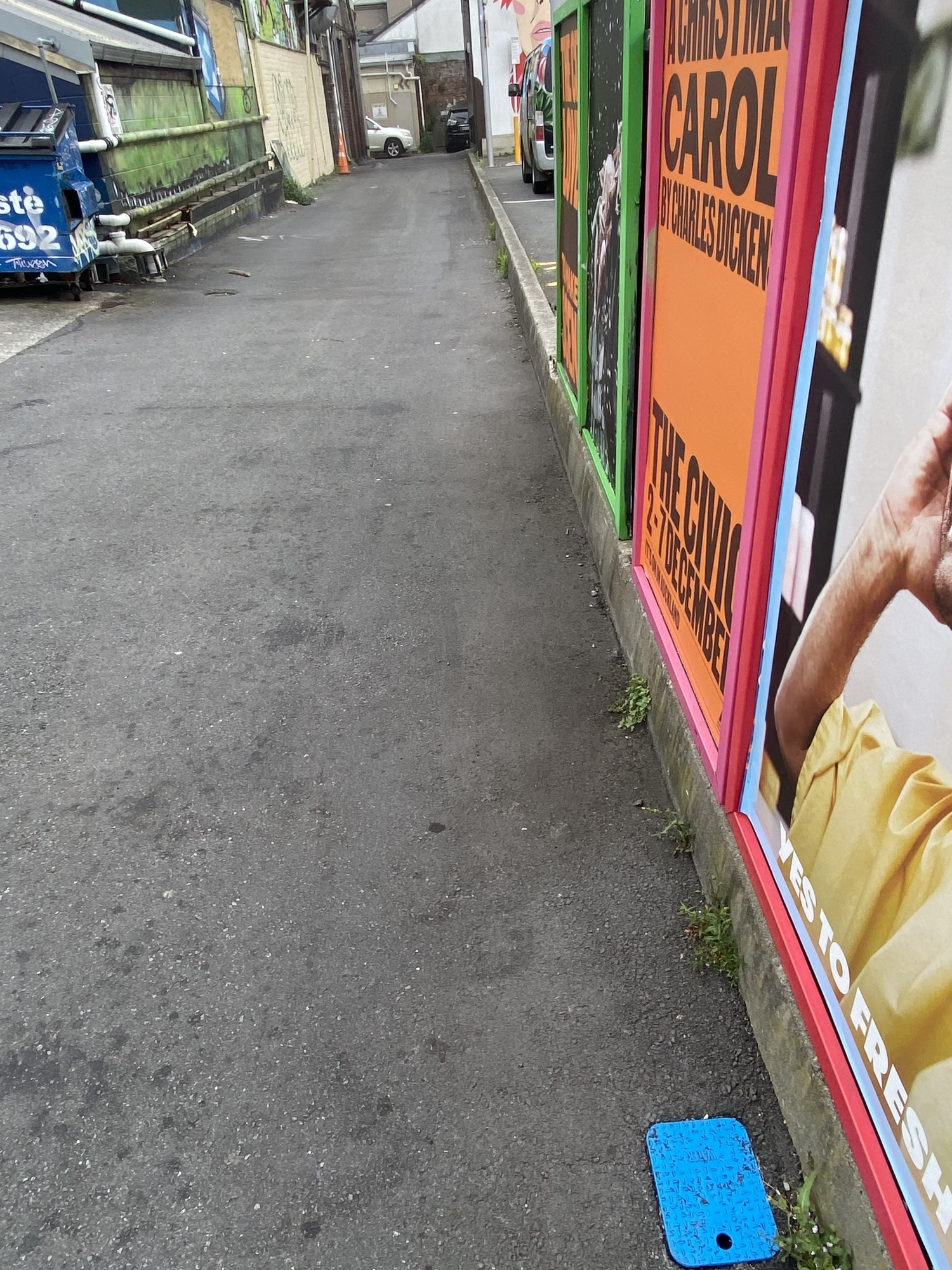
You can’t see the contours as they are very subtle (The minimum fall is 1 degree), but it would be obvious if it was wrong!
A good outcome.